
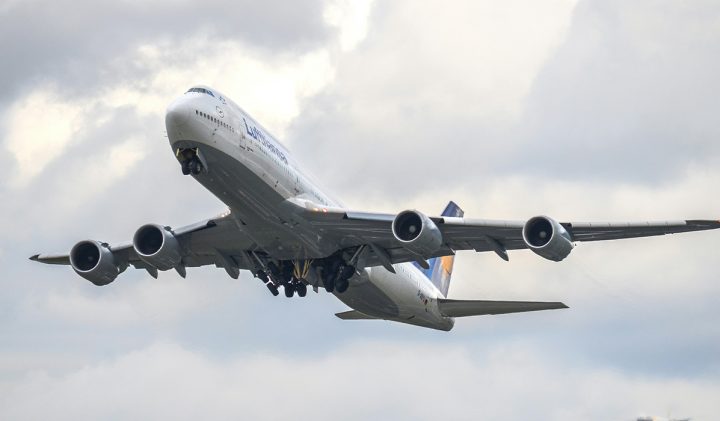
Aerospace engineering is one of the most prestigious and lucrative engineering fields worldwide. With rapid growth in aviation, defense, and space exploration, major companies such as NASA, Airbus, Boeing, and SpaceX are constantly recruiting highly skilled engineers.
For students aiming to specialise in aeronautical or aerospace engineering, understanding salaries and career paths is essential. With the right specialisation and education—particularly through a specialised MSc—this sector offers strong earning potential and international career opportunities.
Aerospace Engineering Salaries Worldwide
Salaries vary depending on location, experience, and specialisation. Here are average annual salaries in key countries:
- United States: €110,000
- Switzerland: €93,000
- Germany: €72,000
- France: €82,000
- United Kingdom: €66,000
- Australia: €60,000
- Canada: €59,000
Reaching these salary levels and joining top aerospace companies requires advanced technical expertise, most often acquired through specialised education such as an MSc in aerospace engineering.
Top recruiters include NASA, Boeing, Airbus, Lockheed Martin, Rolls-Royce, and Bombardier.
Top 5 Highest Paying Aerospace Engineering Jobs
1. Propulsion Engineer
Propulsion engineers design and optimise engines for aircraft and spacecraft. Their work is critical to improving performance, fuel efficiency, and sustainability.
- Salary: €90,000 to €150,000+
- Key employers: SpaceX, Airbus Defence & Space
- Why it pays well: high technical expertise and direct impact on performance
2. Flight Dynamics Engineer
Flight dynamics engineers analyse how aircraft and spacecraft behave during flight. They ensure stability, safety, and performance.
- Salary: €100,000 to €160,000
- Key skills: simulation, control systems, aerodynamics
- Employers: NASA, ESA, Boeing
3. Aerodynamics Engineer
Aerodynamics engineers focus on airflow and drag reduction to optimise aircraft efficiency.
- Salary: €75,000 to €140,000+
- Core expertise: fluid mechanics, CFD simulations
- Industries: aerospace, automotive, defense
4. Aerospace Systems Engineer
Systems engineers manage complex aerospace systems and ensure that all components work together efficiently.
- Salary: €100,000 to €170,000
- Skills: systems modelling, project management
- Why it pays more: leadership and multidisciplinary responsibilities
5. Test Engineer (Aerospace)
Test engineers validate aircraft, engines, and space systems before they are deployed. Their role is essential for safety and certification.
- Salary: €85,000 to €110,000+ (entry level), up to €160,000 senior
- Employers: Boeing, Lockheed Martin, defense agencies
How Salaries Evolve With Experience
Experience plays a major role in salary progression in aerospace engineering:
- Level 1 (Entry): €70,000 – €95,000
- Level 2: €95,000 – €150,000
- Level 3: €125,000 – €170,000
- Senior Engineers: €160,000 – €200,000+
This progression highlights the importance of continuous skill development and specialisation.
What Impacts Your Aerospace Engineering Salary?
Experience
Engineers with several years of experience earn significantly higher salaries than entry-level professionals.
Specialisation
Fields such as propulsion, systems engineering, and flight dynamics tend to offer higher compensation.
Location
Countries like the United States, Switzerland, and Germany offer the highest salaries in the aerospace sector.
Education
A master’s degree is often required to access advanced roles, higher salaries, and leadership positions.
How to access the highest aerospace engineering salaries ?
A Master’s degree in Aerospace Engineering is essential. A specialised MSc offers a significant advantage, granting students access to the highest-paying jobs.
- Develop advanced knowledge in aerodynamics, propulsion, and systems design
- Work on real-world engineering projects
- Access international career opportunities
- Move into research, development, or management roles
Prepare for Aerospace Careers with ESILV
The MSc Aeronautical & Aerospace Engineering at ESILV is designed for engineering students aiming to specialise in the aerospace sector.
This programme bridges the gap between theory and practice, enabling students to work on real engineering challenges while developing strong technical and problem-solving skills.
Key advantages of ESILV
- Engineering degree with Master’s level recognition
- More than 120 international academic partners: content Reference
- Strong industry connections and hands-on learning approach
- High employability rate with 93% of graduates employed within 4 months
A programme focused on industry needs
Students develop expertise in:
- Aircraft and spacecraft design
- Advanced materials and propulsion systems
- Simulation and systems modelling
- Multidisciplinary engineering projects
The programme follows a “learning by doing” approach, combining practical experience, teamwork, and innovation.
Aerospace engineering offers some of the highest-paying engineering careers globally. However, reaching these positions requires the right combination of specialisation, experience, and education.
For students aiming to work at leading companies such as Airbus, NASA, or SpaceX, pursuing a specialised MSc, such as the MSc Aeronautical & Aerospace Engineering at ESILV, is a strategic step toward a successful and rewarding career.