
In engineering, the classroom is just the beginning. Blueprints and equations are vital, but they’re only part of the story. The real magic happens when curiosity steps into the workshop, when ideas take flight in competitions, and when engineers-in-training discover what they’re truly capable of through collaboration and creativity.
This is where technical associations step in, not just as extracurricular activities, but as engines of transformation.
Let’s Breakdown the Role of Technical Associations
Technical associations play a pivotal role in bridging the gap between theoretical knowledge and practical application in engineering education.
By engaging in these organizations, students gain invaluable hands-on experience, foster innovation, build industry connections, and develop both technical and soft skills, thereby enhancing their career readiness.
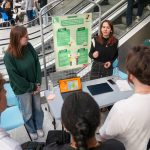
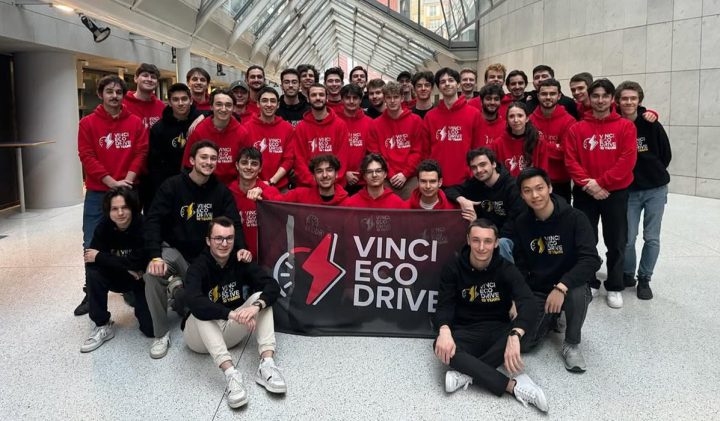
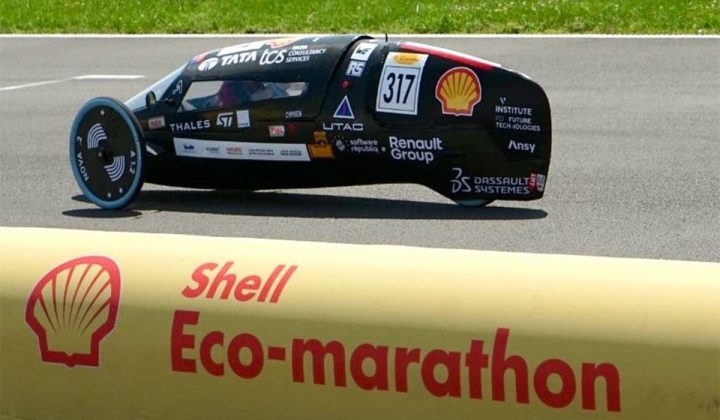
Participating in technical associations allows engineering students to apply classroom theories to real-world projects. For instance, at ESILV Graduate School of Engineering, the Vinci Eco Drive association focuses on designing and building energy-efficient vehicles.
Through such initiatives, students participate in the entire process, from conceptualization to execution, thereby solidifying their understanding and refining their practical skills.
Fostering Innovation
Technical associations serve as incubators for creativity and innovation. By working on cutting-edge projects, students are encouraged to think creatively and develop innovative solutions to engineering challenges.
This environment nurtures a creative mindset, essential for advancing technology and addressing complex problems in their future careers.
Building Industry Connections
Membership in these associations often provides networking opportunities with industry professionals, alumni, and peers. Such connections can lead to internships, job offers, and collaborations on projects.
For example, ESILV’s LeoFly association collaborates with organizations such as the French National Center for Space Studies (CNES), providing students with exposure to industry standards and practices.
Developing Technical and Soft Skills
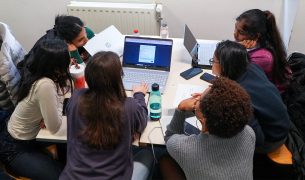
Beyond technical proficiency, the engineering profession increasingly values interpersonal and organizational skills. Teamwork, communication, and leadership are key components of a successful engineering profile. Student participation in technical associations offers a valuable opportunity to cultivate these skills in real-world conditions.
Within these groups, students collaborate on complex projects, coordinate diverse teams, and present their technical work to various audiences. These activities help them develop a professional posture that is essential in multidisciplinary environments.
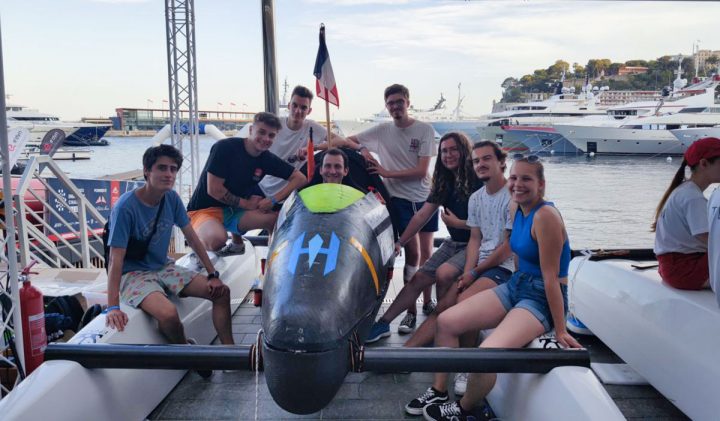
HydroVinci exemplifies this dynamic by participating in the Monaco Energy Boat Challenge, an international student competition organized by the Yacht Club de Monaco. The event brings together around fifty teams each year, competing across four categories to explore new technologies, innovative materials, and alternative propulsion systems.
The goal is to reduce environmental impact while maintaining high nautical performance. This initiative provides engineering students with a practical framework for integrating sustainability and innovation through applied research and teamwork.
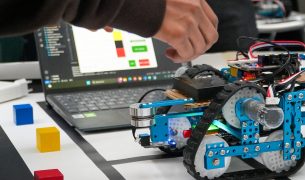
They have also participated and became the first French group to qualify for and take part in the MATE ROV World Championships, an international competition dedicated to underwater robotics. This milestone reflects both technical expertise and the ability to evolve within a structured team, meeting international standards and communicating effectively on the global stage.
Enhancing Career Readiness
Engagement in technical associations equips students with a comprehensive skill set that is highly sought after by employers. The combination of hands-on experience, innovative thinking, industry connections, and well-developed soft skills ensures that graduates are not only knowledgeable but also ready to contribute effectively in their professional roles.
How to Choose the Right Technical Association
Selecting a technical association is about aligning passions with purpose. Students should explore groups that resonate with their interests, whether it’s robotics, sustainable energy, or aerospace.
Look for associations that offer mentorship, real-world projects, and industry connections. It’s also helpful to consider the group’s track record in competitions or collaborations; a vibrant, active association can open doors to unparalleled growth and opportunities.
Ultimately, technical associations play a vital role in engineering education, providing students with opportunities to apply theoretical knowledge, innovate, network, and develop essential skills. Institutions like ESILV recognize the importance of these associations in shaping well-rounded, career-ready engineers.