
The aerospace industry is entering one of the most exciting periods in its history. Advances in sustainable aviation, artificial intelligence, digital engineering and space exploration are transforming how aircraft are designed, manufactured and operated. As the sector evolves, companies are looking for engineers who combine technical expertise with innovation, adaptability and an international mindset.
For students considering a career in this dynamic field, choosing the right destination for postgraduate studies is just as important as selecting the right programme. Increasingly, Paris has established itself as one of Europe’s leading hubs for aerospace engineering education and innovation. Home to world-class companies, cutting-edge research centres and one of the continent’s strongest engineering ecosystems, the French capital offers an environment where future aerospace professionals can thrive.
The MSc Aeronautical & Aerospace Engineering at ESILV reflects this international perspective by preparing students to meet the technical and industrial challenges shaping the future of aviation and space technologies.
Paris: A Global Centre for Aerospace Innovation
France has long been recognised as one of the world’s aerospace leaders. The country is home to globally renowned organisations such as Airbus, Safran, Dassault Aviation, Thales, ArianeGroup and the French Space Agency (CNES), all of which play a central role in developing next-generation aircraft, satellites, defence systems and space exploration technologies.
Many of these companies operate research centres, production facilities or innovation hubs in and around Paris, creating a unique ecosystem where engineering, technology and industry work closely together. This concentration of expertise provides students with exposure to the latest developments in aerospace engineering while opening opportunities for internships, collaborative projects and future careers.
Studying in Paris also means being surrounded by an international business environment where engineers regularly collaborate across disciplines, cultures and industries.
Studying at the Heart of Europe’s Engineering Ecosystem
A successful aerospace engineer requires more than technical knowledge. Today’s industry demands professionals capable of working across multidisciplinary teams, integrating digital technologies and solving increasingly complex engineering challenges.
Paris offers students access to one of Europe’s most diverse engineering ecosystems. Universities, research laboratories, technology start-ups and multinational companies contribute to an environment where innovation is part of everyday life.
Whether exploring computational modelling, advanced materials, aerodynamics or intelligent manufacturing systems, students benefit from an atmosphere that encourages experimentation, collaboration and continuous learning.
Aerospace Engineering Is Becoming Increasingly Digital
Digital transformation is reshaping every stage of aircraft development. Artificial intelligence, digital twins, simulation software and data analytics now support engineers in designing safer, more efficient and more sustainable aircraft.
As a result, aerospace companies are seeking graduates who are comfortable working with advanced engineering tools and digital technologies alongside traditional engineering principles.
Studying in Paris allows students to experience this technological evolution first-hand within a city recognised for its strong links between engineering education, research and innovation.
Programmes that integrate digital engineering with classical aerospace fundamentals prepare graduates to contribute effectively to an industry where technological change is accelerating every year.
Sustainable Aviation Is Driving the Future of the Industry
One of the aerospace sector’s greatest challenges is reducing its environmental impact. Governments, manufacturers and airlines worldwide are investing heavily in cleaner technologies, lighter materials, alternative fuels and more efficient aircraft designs.
Engineers are at the centre of this transition. Developing hydrogen-powered aircraft, improving aerodynamics, optimising propulsion systems and designing sustainable manufacturing processes all require highly specialised engineering expertise.
France is playing a significant role in these innovations, making Paris an attractive destination for students who want to contribute to the future of sustainable aviation while studying close to leading industrial and research initiatives.
An International Environment for Future Engineers
The aerospace industry is inherently global. Aircraft are designed through international collaboration, supply chains span multiple continents and engineering teams regularly work across different countries and cultures.
Studying in Paris exposes students to this international dimension from the beginning of their academic journey. The city’s multicultural environment attracts students, researchers and professionals from around the world, creating valuable opportunities to develop intercultural communication and global collaboration skills.
These experiences are increasingly valued by employers recruiting engineers capable of working in multinational organisations and international projects.
Bridging Engineering Knowledge and Industrial Practice
One of the most important considerations when choosing an MSc is its connection to industry. Employers increasingly expect graduates to arrive with practical experience of engineering methodologies, collaborative project work and familiarity with the technologies currently used by aerospace companies.
The MSc Aeronautical & Aerospace Engineering at ESILV has been designed with these expectations in mind. The programme combines advanced scientific knowledge with practical applications in areas such as aircraft design, propulsion systems, aerodynamics, advanced materials and digital engineering. Students also develop project management, problem-solving and innovation skills that are essential for modern aerospace careers.
Located within Paris La Défense, Europe’s largest business district, ESILV also places students at the heart of a vibrant innovation ecosystem where engineering education is closely connected to industry and technological development.
LéoFly: Student Projects and Aerospace Associations
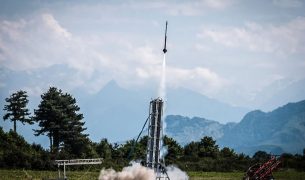
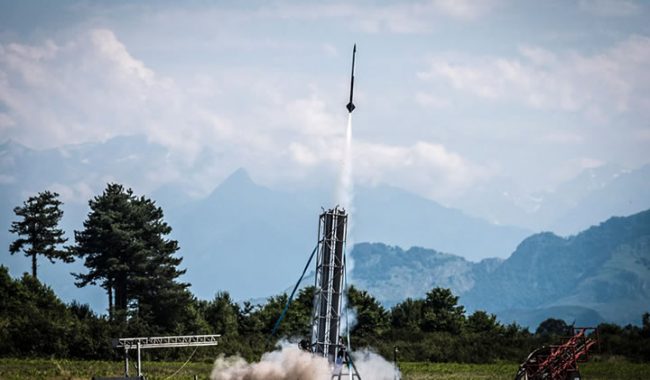
Beyond the classroom, ESILV students can deepen their aerospace experience through LéoFly, the aeronautics and aerospace association of the Pôle Léonard de Vinci. Created in 2015 by engineering students, the association now brings together around 80 members from the campus’ three schools.
LéoFly develops technical projects throughout the year while organising activities that introduce students to the aerospace sector and its professions. The association reflects the multidisciplinary nature of the industry, bringing together engineering, management and communication around shared projects and events.
Its activities contribute to the professional development of members through teamwork, project management and technical experimentation, while also encouraging exchanges with the wider aerospace community. International ambitions, technical excellence and knowledge sharing remain at the core of the association’s vision, complementing the academic experience offered by the MSc Aeronautical & Aerospace Engineering.
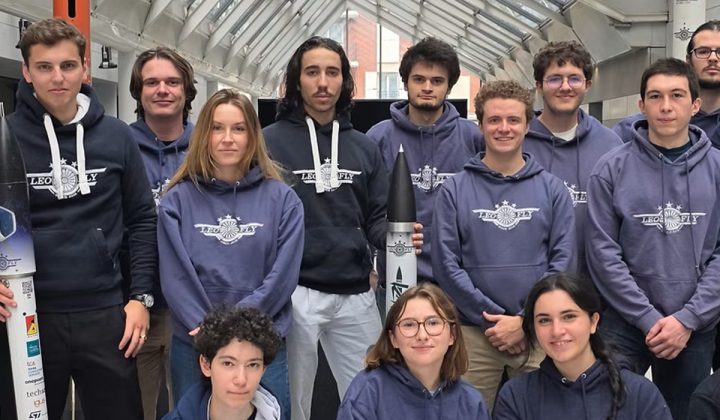
L’équipe LéoFly en 2026
Aerospace and Defence: Building an Aerospace Career from Paris
Choosing where to study can shape an engineer’s professional future. Paris offers a rare combination of industrial excellence, international opportunities, cutting-edge research and technological innovation that few cities can match.
For aspiring aerospace engineers, studying in France’s capital means becoming part of one of Europe’s strongest aerospace ecosystems while gaining exposure to the challenges and opportunities transforming aviation and space engineering.
The MSc Aeronautical & Aerospace Engineering at ESILV provides the advanced technical knowledge, multidisciplinary perspective and industry-focused education needed to succeed in this rapidly evolving sector. For students seeking to build an international career in aerospace engineering, Paris is more than a study destination—it is a gateway to one of the world’s most innovative and influential aerospace industries.