
Studying engineering in France offers international students the opportunity to gain advanced technical knowledge while experiencing one of Europe’s leading centres for innovation and research. Before classes begin, however, moving abroad requires careful preparation. Finding accommodation, organising visas, understanding healthcare and adapting to a new country can seem overwhelming.
For students joining ESILV Graduate School of Engineering, the De Vinci Welcome Desk helps make this transition much smoother. From admission through to graduation, the team supports international students with practical guidance on accommodation, visa procedures, healthcare, banking, transport and campus integration. By removing many of the administrative challenges of moving abroad, students can focus on what truly matters: preparing for a successful engineering education in France.
Why choose ESILV to study engineering in France?
France has long been recognised for excellence in engineering, science and technology. Its universities and engineering schools work closely with industry, allowing students to combine strong theoretical knowledge with practical experience.
Located in Paris La Défense, Europe’s largest business district, ESILV Graduate School of Engineering prepares students for careers in fields shaping tomorrow’s economy, including artificial intelligence, cybersecurity, aerospace, robotics, financial engineering, sustainable technologies and data science.
The school’s project-based approach encourages students to solve real engineering challenges while collaborating with classmates from diverse academic and cultural backgrounds. This combination of technical expertise, international exposure and industry connections makes ESILV an attractive destination for students seeking an engineering degree with global career prospects.
Prepare before leaving home
Good preparation before departure can make the first weeks in France considerably easier.
Students should organise the essential documents they may need upon arrival, including:
- A valid passport and student visa (where required)
- The official ESILV admission letter
- Proof of accommodation
- Academic certificates and transcripts
- Health insurance documents
- Digital and printed copies of important paperwork
The De Vinci Welcome Desk helps students understand the administrative procedures that apply to their situation before they arrive in France. Completing these steps early allows future engineers to concentrate on their studies once the academic year begins.
Finding accommodation in Paris
Accommodation is often the first challenge international students face. Demand in the Paris region can be high, making it important to begin searching as soon as admission has been confirmed.
The Welcome Desk provides guidance on accommodation options and explains French rental procedures, helping students better understand the documents and formalities involved.
When choosing where to live, students should look beyond rent alone. Transport connections, commuting time and nearby services all contribute to a comfortable student experience. For engineering students, who often spend additional hours working on projects or laboratory assignments, convenient access to campus can make everyday life much easier.
Completing administrative procedures after arrival
Once in France, students may need to validate their visa, register for French Social Security, open a bank account and obtain a public transport card.
Although these procedures may appear unfamiliar, they are essential for settling into daily life. The De Vinci Welcome Desk assists international students throughout these administrative steps, helping them understand deadlines and required documentation.
Students can also receive guidance on:
- Opening a French bank account
- Obtaining a local mobile phone plan
- Applying for housing assistance
- Registering for healthcare
- Accessing public transport
Completing these formalities early provides peace of mind before classes and projects become more demanding.
Preparing for engineering studies at ESILV
Engineering education requires curiosity, organisation and strong analytical skills. Before classes begin, students can strengthen their preparation by reviewing subjects relevant to their chosen programme, such as mathematics, programming, physics or data analysis.
Students should also ensure they have a suitable laptop and review any software requirements provided by their programme.
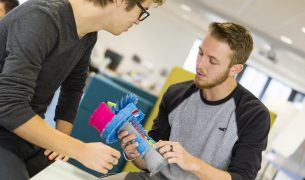
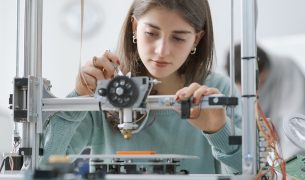
At ESILV, learning extends well beyond lectures. Students regularly participate in practical projects, teamwork, presentations and multidisciplinary challenges that reflect the realities of modern engineering careers.
This collaborative educational model allows students to develop both technical expertise and the communication, project management and problem-solving skills sought by employers worldwide. Studying alongside students from different cultures also helps develop an international outlook, an increasingly valuable asset in today’s engineering professions.
Welcome Week: Start your journey with confidence
Beginning university abroad is about much more than completing paperwork. Feeling connected to the campus community is equally important.
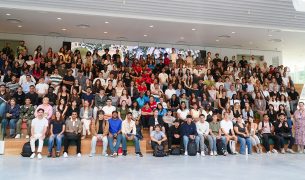
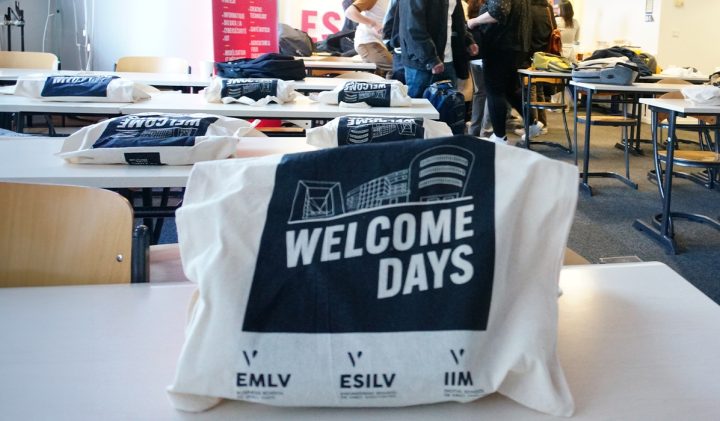
The De Vinci Welcome Desk organises Welcome Week to help international students discover the campus, understand available services and meet classmates before teaching begins.
Orientation activities include practical information sessions, campus tours, and opportunities to connect with other international students through social events organised in collaboration with the De Vinci Erasmus Student Network (ESN).
These first interactions often become the starting point for friendships, study groups and project teams that continue throughout the academic year.
Building an international engineering career
Engineering is increasingly global. Employers seek graduates who combine technical expertise with intercultural communication skills, adaptability and experience working in multidisciplinary teams.
ESILV prepares students for this reality through internationally oriented programmes that combine academic excellence with practical experience. Students graduate ready to contribute to industries undergoing rapid technological transformation, from artificial intelligence and cybersecurity to sustainable engineering, aerospace and financial technologies.
The De Vinci Welcome Desk supports this journey from the very beginning. By helping students manage accommodation, administrative procedures and everyday life in France, it creates the conditions for a successful transition into higher education and allows students to focus on developing the skills needed for future engineering careers.
Whether pursuing a Master’s Degree in Enginerring or an MSc, international students joining ESILV become part of a multicultural community dedicated to innovation, collaboration and technological excellence.