

Engineering is one of the world’s most respected professions, yet it remains surrounded by persistent myths and misconceptions. Popular culture often portrays engineers as socially awkward mathematical geniuses who spend their lives behind computer screens. In reality, the profession is far more diverse, creative, and collaborative.
For international students considering an engineering degree in France, understanding the realities of the profession is essential. Engineering today combines technical expertise, innovation, communication, and leadership skills, opening doors to careers in industries ranging from artificial intelligence and sustainable energy to finance and healthcare.
ESILV stands out from other engineering schools by offering its students a cross-disciplinary approach to their education journey. Beyond a diverse range of programmes and specialisations designed to equip them with valuable skills for their careers, ESILV students participate in projects and associations with EMLV and IIM students, fostering a collaborative and multilateral approach to learning.
However, there are still some clichés prospective students might think of when considering an Engineering degree. Here are ten common engineering stereotypes and the reality behind them.
1. Engineers Are Introverted and Difficult to Work With
Reality: Engineering Is a Team-Oriented Profession
While some engineers are naturally introverted, engineering projects depend heavily on collaboration. Modern engineers work alongside designers, business professionals, researchers and project managers to solve complex challenges.
Strong communication and teamwork skills are increasingly valued by employers, making collaboration a key component of engineering education and professional success.
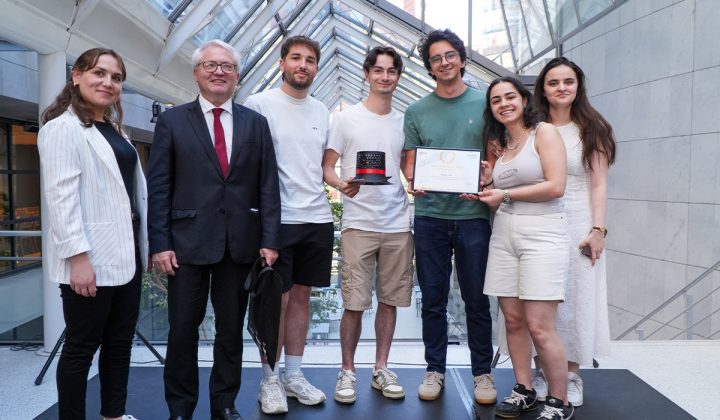
Go Teamwork!
2. Engineers Must Love Mathematics
Reality: Mathematics Is a Tool, Not the End Goal
Mathematics forms an important foundation in engineering, but engineers primarily use it to solve real-world problems. Many students discover that their passion lies not in mathematics itself, but in applying technical knowledge to fields such as robotics, cybersecurity, data science or sustainable technologies.
Engineering programmes offer a variety of specialisations, allowing students to focus on areas that match their interests and career ambitions.
3. Engineers Are Not Creative
Reality: Creativity Drives Innovation
Creativity is at the heart of engineering. From designing autonomous vehicles and smart cities to developing new medical technologies, engineers constantly create solutions to challenges that have never been solved before.
Innovation requires imagination, critical thinking and the ability to approach problems from different perspectives—qualities that are highly valued in engineering careers.
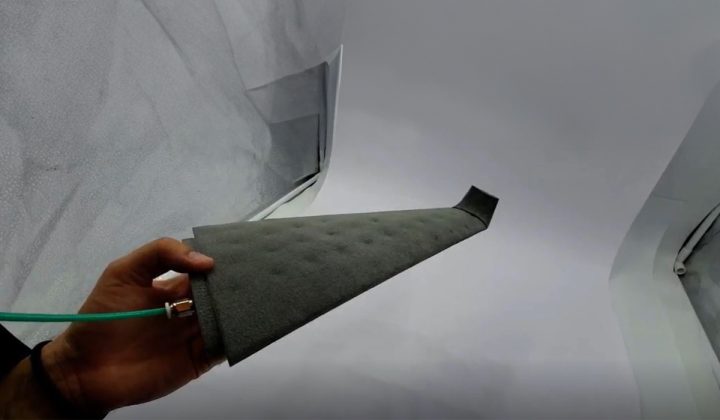
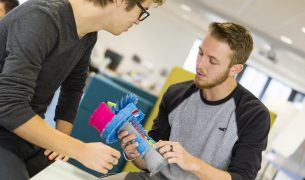
Dimitry Siebert, ESILV Class of 2026 and a student in the Creative Technology major, is developing an original thesis project focused on the design of inflatable wings for glider drones. The project combines aerodynamics, lightweight structures, and innovative engineering approaches to explore new possibilities in drone design.
4. Engineering Is Boring
Reality: Engineers Shape the Future
Engineering offers opportunities to work on cutting-edge technologies that transform society. Engineers contribute to developments in artificial intelligence, renewable energy, aerospace, finance, digital transformation and many other sectors.
The profession combines technical challenges, innovation and continuous learning, making it one of the most dynamic career paths available.
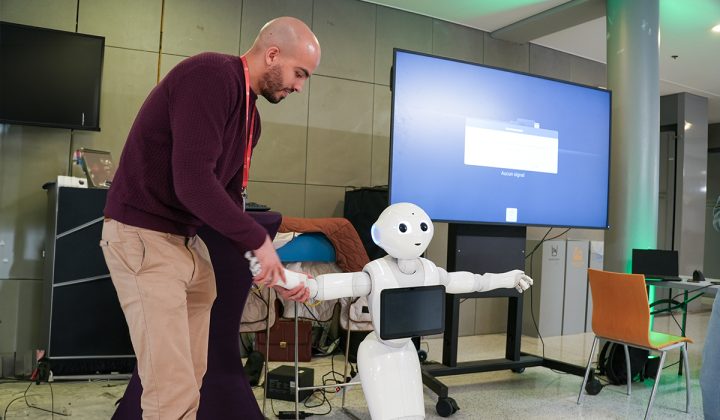
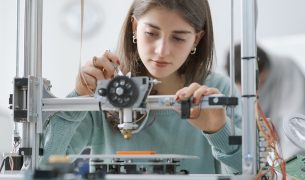
Is working with robots boring?
5. Engineering Is a Male Profession
Reality: Engineering Is Becoming More Diverse
Although engineering has historically been male-dominated, the profession is becoming increasingly diverse. More women are pursuing engineering degrees and contributing to innovation across all sectors.
Diversity brings new perspectives and ideas, helping organisations create better solutions and more inclusive technologies.
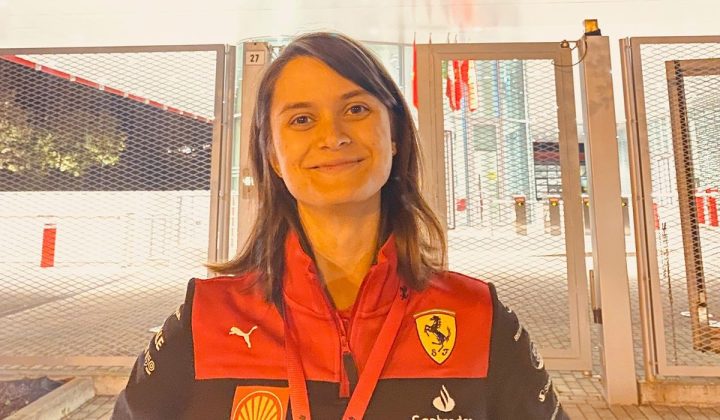
Teodora Soit-Vizante, ESILV Class of 2021, built her career path from ESILV to Scuderia Ferrari F1. After successfully completing the highly selective Ferrari F1 Engineering Academy recruitment process, she joined the team for a six-month internship before securing a full-time position in the Energy Recovery System (ERS).
6. Engineering School Is Extremely Difficult
Reality: Success Comes Through Consistency
Engineering programmes are academically demanding, but they are designed to help students progressively develop their knowledge and skills.
Through lectures, practical projects, laboratory work and collaborative assignments, students gain both theoretical understanding and hands-on experience. With organisation and commitment, engineering studies are highly achievable and rewarding.
7. Engineers Only Work with Other Engineers
Reality: Modern Engineering Is Highly Interdisciplinary
Today’s engineers regularly collaborate with professionals from a wide range of backgrounds, including business, marketing, finance, design and healthcare.
As technology becomes increasingly integrated across industries, engineers play a central role in multidisciplinary teams that drive innovation and strategic decision-making.
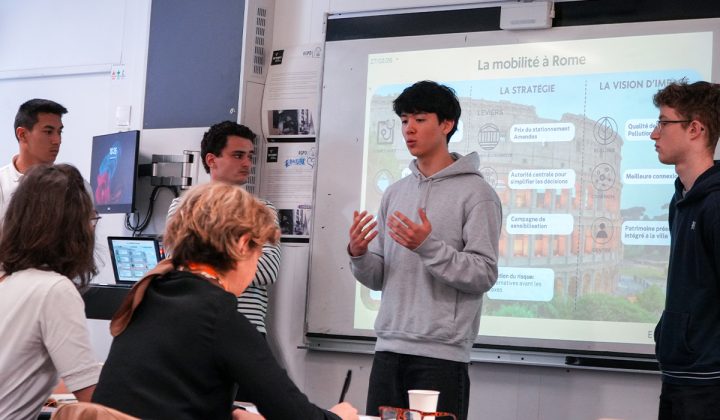
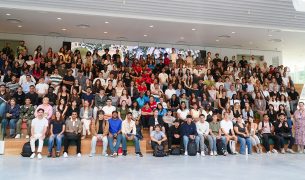
Class of 2027 Hackathon, where students of ESILV Engineering School, EMLV Business School, and IIM Digital School worked together to answer: Can a sustainable city really exist?
8. Engineers Are Not Fun
Reality: Engineers Have Diverse Interests and Personalities
Engineering students participate in sports, student societies, cultural activities, entrepreneurship projects and international exchanges. The profession attracts individuals with a wide variety of interests, backgrounds and personalities.
University life often provides opportunities to develop both professional and personal skills through extracurricular activities and community engagement.
9. Engineers Work Excessively Long Hours
Reality: Work-Life Balance Matters
Like many professional careers, engineering can occasionally involve demanding projects. However, most engineers enjoy balanced working environments and flexible career options.
Many organisations increasingly prioritise employee wellbeing, hybrid working arrangements and sustainable work practices.
10. Engineers Are Geeks
Reality: Passion Is a Strength
The term “geek” is often used to describe someone deeply interested in a particular subject. In engineering, curiosity and enthusiasm are valuable qualities that help professionals stay at the forefront of technological innovation.
Whether their interests include aerospace, coding, robotics, sustainability, entrepreneurship or emerging technologies, engineers are united by a desire to understand and improve the world around them.
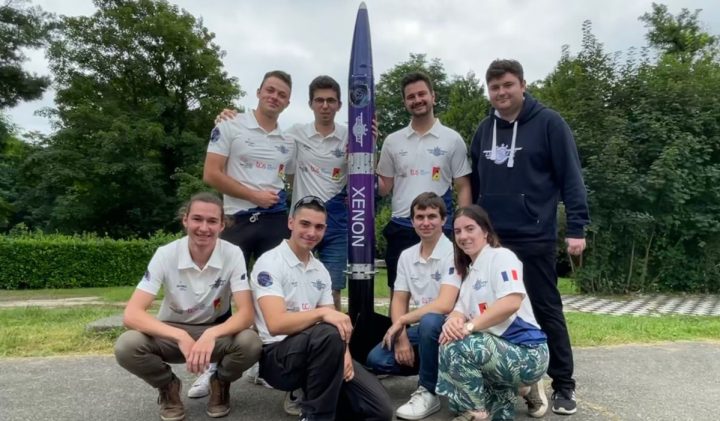
LéoFly is one of the many student associations that ESILV students can join
Why Study Engineering at ESILV?
For international students seeking a globally recognised engineering education, ESILV offers a modern and industry-focused learning environment in the heart of Paris La Défense, Europe’s leading business district.
ESILV programmes combine strong scientific foundations with expertise in digital technologies, artificial intelligence, data science, cybersecurity, finance and sustainable innovation. Students benefit from project-based learning, international opportunities, close industry partnerships and excellent graduate employability.
By challenging outdated stereotypes and embracing innovation, future engineers can develop the skills needed to succeed in a rapidly changing global economy.